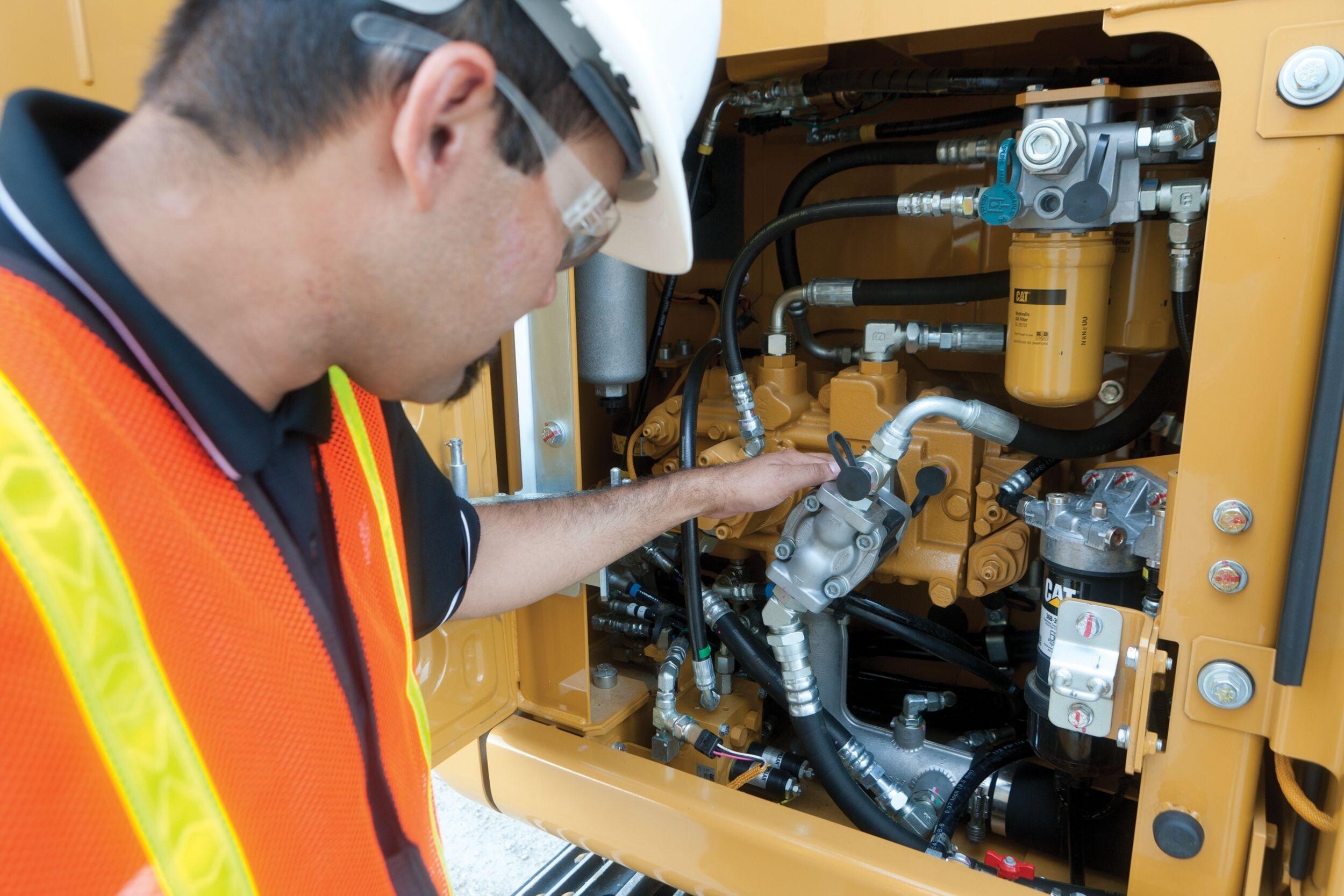
Hydraulic pumps are one of the most important components in an excavator’s hydraulic system. They convert mechanical power from the engine into hydraulic energy, providing the pressure and flow required to operate the boom, arm, bucket, swing system, and travel motors. Whether you are replacing a worn pump or learning about hydraulic systems, understanding the different types of excavator hydraulic pumps can help improve equipment performance, reduce downtime, and extend service life.
What Is an Excavator Hydraulic Pump?
An excavator hydraulic pump supplies pressurized hydraulic oil throughout the machine. Unlike a water pump, it generates hydraulic flow that powers cylinders and hydraulic motors, allowing the excavator to perform digging, lifting, swinging, and traveling operations.
Without a properly functioning hydraulic pump, the entire hydraulic system cannot operate efficiently.
Common Types of Excavator Hydraulic Pumps
Piston Pumps
Axial piston pumps are the most widely used hydraulic pumps in modern excavators. They provide high pressure, high efficiency, and excellent durability, making them ideal for heavy-duty construction and mining applications.
Gear Pumps
Gear pumps feature a simple structure and low manufacturing cost. They are commonly used in auxiliary hydraulic systems or smaller construction equipment where lower pressure is required.
Vane Pumps
Vane pumps operate with low noise and smooth oil flow. Although less common in heavy excavators, they are widely used in industrial hydraulic equipment and certain light-duty machinery.
Main Components of a Hydraulic Pump
A typical excavator hydraulic pump consists of several precision components, including:
Cylinder Block
Pistons
Swash Plate
Valve Plate
Drive Shaft
Bearings
Oil Seals
Housing
Each component plays an essential role in maintaining pressure, efficiency, and long service life.
Common Applications
Hydraulic pumps are widely used in various types of heavy equipment, including:
Excavators
Wheel Loaders
Bulldozers
Mining Equipment
Drilling Rigs
Material Handling Equipment
Different machines require hydraulic pumps with specific pressure ratings, flow capacities, and mounting configurations.
Signs of Hydraulic Pump Failure
Early detection can help prevent costly repairs. Common symptoms include:
Slow boom or bucket movement
Reduced hydraulic power
Abnormal operating noise
Hydraulic oil leakage
Excessive vibration
Overheating
Low system pressure
If these symptoms appear, the hydraulic pump should be inspected promptly.
How to Choose the Right Replacement Hydraulic Pump
Selecting the correct replacement pump is essential for reliable machine performance. Before purchasing, verify the following information:
Machine model
Hydraulic pump model
OEM part number
Pump displacement
Rotation direction
Mounting dimensions
Hydraulic system specifications
Working with an experienced supplier can help ensure compatibility and reduce installation issues.
OEM vs. Aftermarket Hydraulic Pumps
Both OEM and high-quality aftermarket hydraulic pumps can provide reliable performance when selected correctly.
OEM pumps offer original specifications and direct compatibility, while premium aftermarket pumps provide a cost-effective alternative with dependable quality for equipment maintenance and repair.
Choosing a reputable supplier is the key to ensuring long service life and consistent hydraulic performance.
Conclusion
The hydraulic pump is the heart of an excavator’s hydraulic system. Understanding its functions, types, and maintenance requirements helps improve machine efficiency, minimize downtime, and reduce operating costs.
Whether you need a complete hydraulic pump or replacement hydraulic components, selecting the correct product based on your equipment model and part number is essential for long-term reliability.